Hasanamba Temple: History, Speciality & Spiritual Pilgrimage

Located in Hassan, Karnataka, Hasanamba Temple is one of India’s most unique spiritual destinations. Dedicated to Goddess Hasanamba, believed to be the divine protector of the city, the temple draws thousands of devotees every year. Explore the fascinating Hasanamba Temple history and its unique speciality that draws devotees from far and wide.

Unlike most temples that remain open daily, Hasanamba Temple opens only once a year, making its annual darshan a deeply anticipated spiritual event.

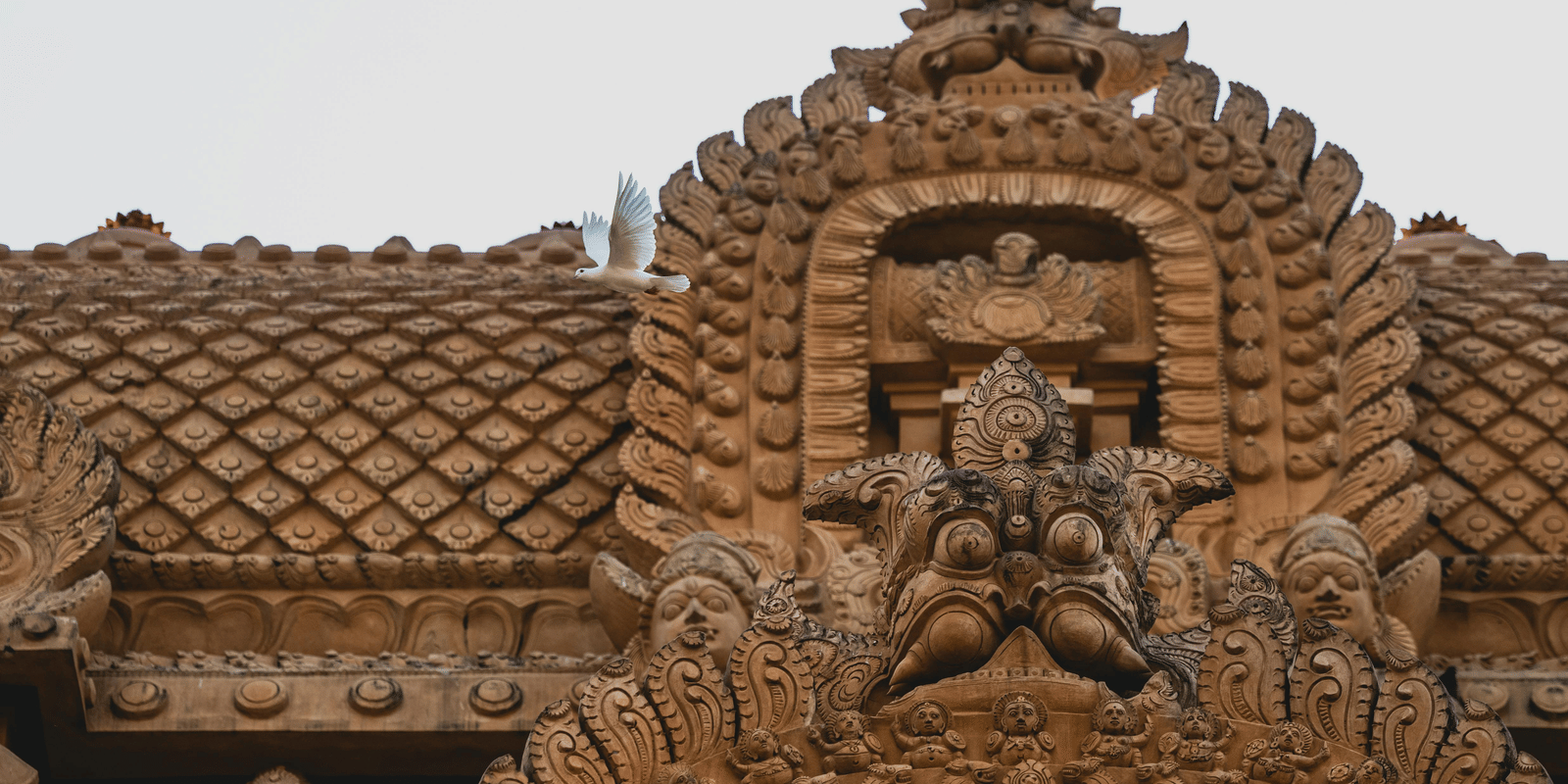
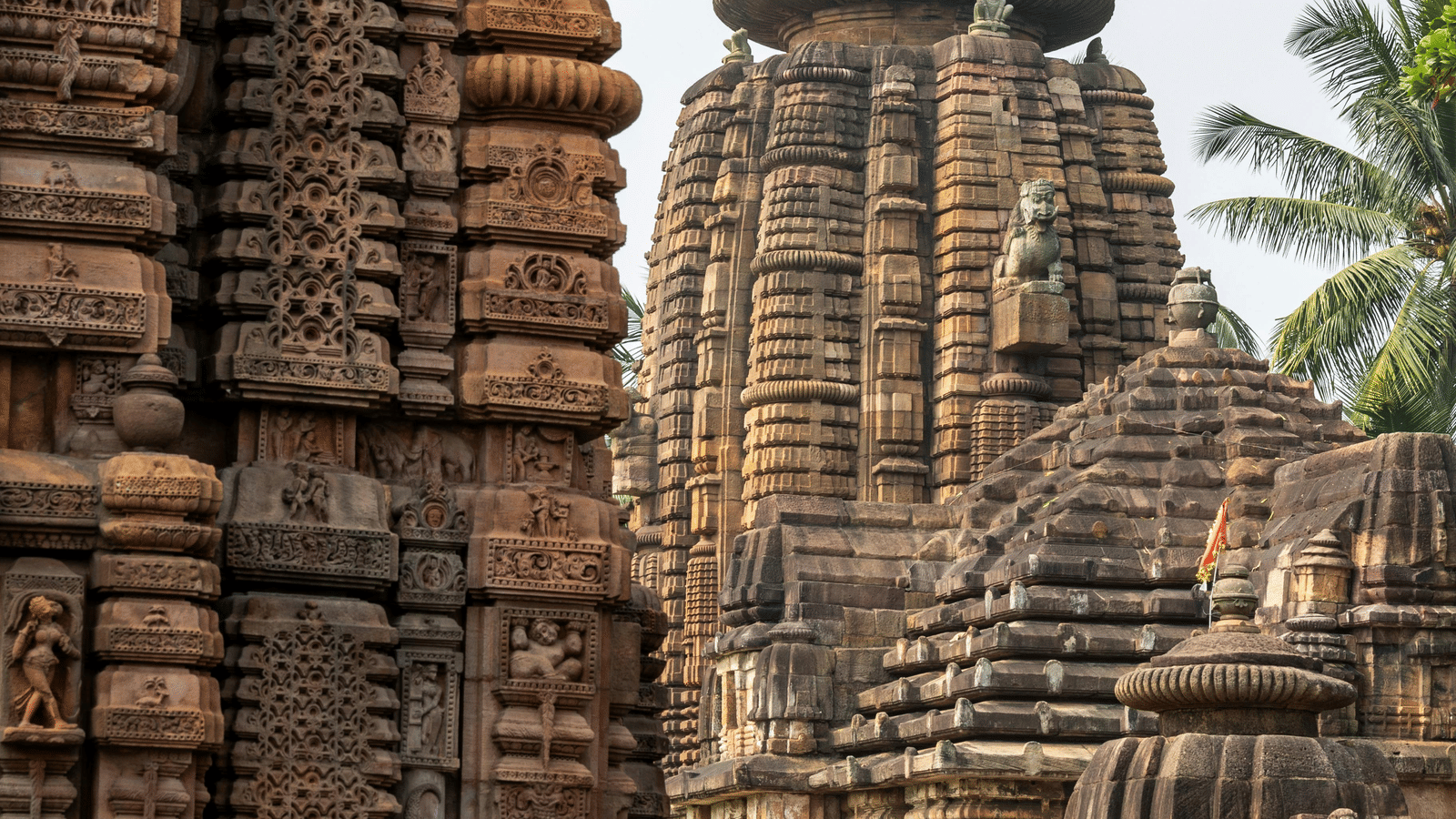
Intricately carved sandstone spires of an ancient Indian temple with a central dome under a pale sky.

Hasanamba Temple History

The origins of Hasanamba Temple date back to the 12th century, during the reign of the Hoysala dynasty. Built in traditional South Indian architectural style, the temple reflects Karnataka’s rich spiritual and cultural heritage.

Key Historical Highlights:

  • Traditionally believed to be constructed under Hoysala patronage, showcasing intricate craftsmanship.
  • Dedicated to Goddess Shakti, worshipped locally as Hasanamba or “Smiling Mother”.
  • The city of Hassan derives its name from the presiding deity, signifying her deep-rooted influence.
  • Houses shrines of Siddeshwara Swamy and Darbar Ganapati, adding to its religious significance.
  • Local legends associate the temple with the Sapta Matrikas, who are believed to have chosen Hassan as their sacred abode, reinforcing its divine aura.

3 small traditional clay oil lamps with glowing orange flames resting on a reflective dark surface.

Hasanamba Temple Speciality

What makes Hasanamba Temple truly extraordinary is its once-a-year opening, usually during Deepavali in October or November. For approximately 7–12 days, devotees from across India gather for darshan, prayers, and sacred rituals, making it one of Karnataka’s most anticipated spiritual events.

Miraculous Beliefs:

  • A ghee lamp (Nanda Deepa) is believed to burn continuously inside the sanctum throughout the year without extinguishing.
  • Flowers offered to the deity remain fresh, and prasad stays unspoilt from one annual opening to the next.
  • Cooked rice offerings are traditionally found warm and intact at the time of reopening.


These phenomena are regarded as powerful symbols of divine presence and deepen devotees’ spiritual connection.
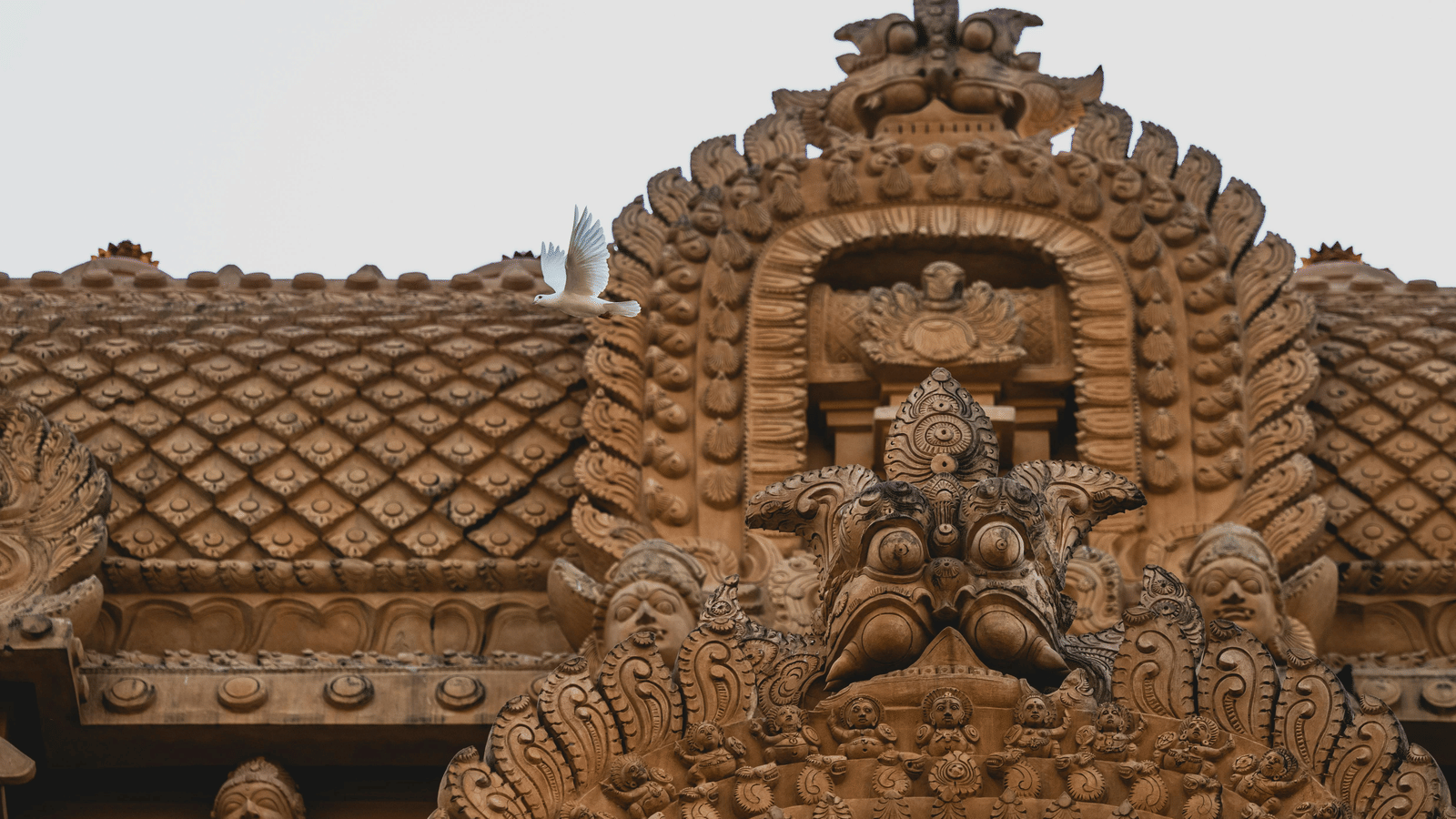
Close-up of ornate, detailed stone carvings and sculptures on the exterior of a historic temple roof.

Visiting Hasanamba Temple: Practical Information

Best Time to Visit:

  • Annual opening during Deepavali, typically between October and November.

Important Visitor Tips:

  • Arrive early to manage long queues.
  • Follow temple customs and dress modestly.
  • Expect heightened security and organised darshan systems during festival days.
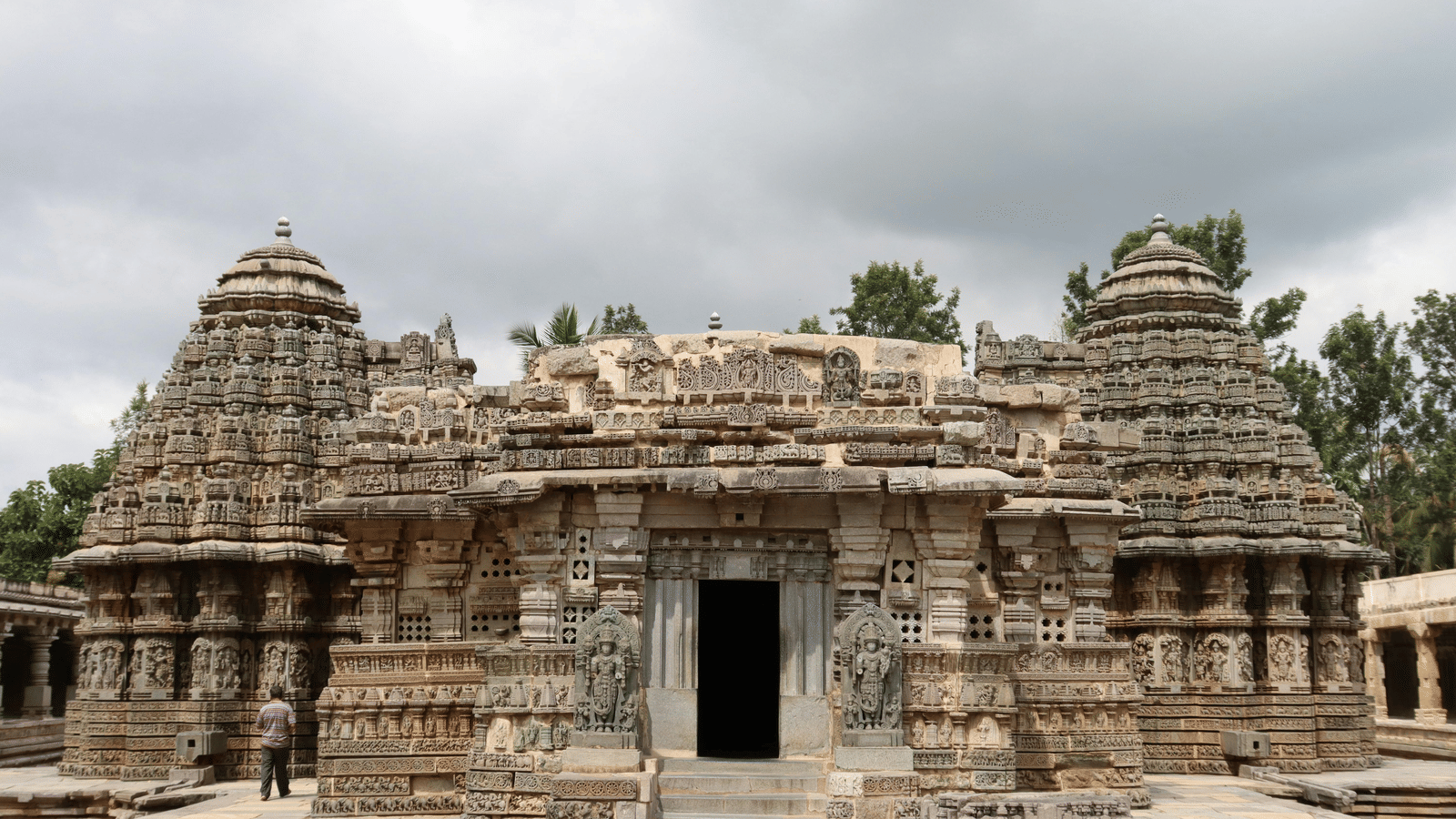
A wide view of a grey stone Hindu temple featuring two large tiered domes and a central entrance under a cloudy sky.

Nearby Heritage Attractions:

  • Belur – Chennakesava Temple, an architectural masterpiece.
  • Halebidu – Hoysaleswara Temple, known for its detailed stone carvings.
  • Shravanabelagola – Renowned Jain pilgrimage site.


These heritage sites complement a spiritual visit, offering a rich cultural experience.

Facade view of the Malnad Palace at Hoysala Village Resort, Hassan with a stone pathway leading to it.

Where to Stay: Hoysala Village Resort

Set amidst peaceful countryside landscapes, Hoysala Village Resort offers a tranquil retreat with convenient access to Hasanamba Temple, Belur, and Halebidu, making it an ideal base for spiritual and cultural exploration. The resort features spacious, elegantly designed cottages with modern comforts and private sit-outs overlooking lush gardens. Guests can savour authentic Malnad cuisine prepared using fresh, locally sourced ingredients, unwind with Ayurvedic spa therapies, and enjoy thoughtfully curated heritage tours and cultural experiences, ensuring a restful and enriching stay.

An overview of ancient columns in Belur with the sun's rays behind the clouds in the background.

The Charm of Hassan

Apart from the heritage sites, Hassan also has nature trails that you can enjoy. Take some peaceful lakeside walks and some photography sessions along the Hemvathy Reservoir and Dam. For an indulging lunch, Hassan invites you with culturally unique and healthy dishes such as Akki Roti made with rice flour primarily, Ragi Mudde made with finger millets as the name suggests, and some heart-warming Filter Coffee that lingers on your tastebuds even hours later.

An overview of the green mountain in the western ghats with the sun setting in the background.

A Paradise of the Past & the Present

The breezy wind from the past hits you the moment you step into Hassan. A rich heritage molded carefully by ancestors that invites you to admire them. The Earth paints its canvas over lakes and reservoirs for your eyes. So take that unforgettable journey. Make memories that become stories– stories that, one day, will return like a cool, breezy whisper at a family gathering. A splendid blend of heritage, nature and adventure is waiting to be brewed by you, come make a filter coffee-from-Hassan kinda memory with us, the one that lingers even a long time later!

An overview of a the interiors of the property designed in classic style - Hoysala Village Resort, Hassan

Where to Stay on a Hassan Trip from Bangalore?

On your getaway trip from Bangalore traffic to Hassan, in a refreshing new setting, we hope to make your trip more peaceful. At Hoysala Village Resort, we offer only the best that Hassan has to give. A picturesque stay with many additional facilities that help you relax, unwind and rejuvenate. At Hoysala, you explore outside the resort, as well as inside– because we present many strands of charming culture -be it Malnad’s rich cuisine, cottages with handmade Athangudi tiles and more. Come sip a hot brew as we add to your Hassan experience.

A visit to Hasanamba Temple is not merely a pilgrimage but a journey into Karnataka’s living spiritual traditions. Its rare annual opening, miraculous beliefs, and centuries-old legends make it one of India’s most extraordinary temples. Combined with the architectural splendour of Belur and Halebidu, the region offers a deeply enriching cultural experience.

Completing this spiritual journey with a stay at Hoysala Village Resort allows travellers to immerse themselves fully in serenity, comfort, and local heritage. Whether seeking divine blessings, historical discovery, or peaceful rejuvenation, this sacred destination promises a fulfilling and memorable escape.

FAQs


1. What is Hasanamba Temple famous for?
Hasanamba Temple is famous for opening only once annually during Deepavali and for miraculous beliefs surrounding its continuously burning ghee lamp and preserved offerings.

2. When does Hasanamba Temple open for devotees?
The temple opens annually for about 7–12 days during the Deepavali festival, usually between October and November, attracting devotees nationwide.

3. Why does Hasanamba Temple remain closed most of the year?
The temple follows ancient traditions where the deity is believed to remain in deep meditation, opening only once yearly for ritualistic darshan.

4. What miracles are associated with Hasanamba Temple?
Devotees believe the ghee lamp burns continuously, flowers stay fresh, and prasad remains unspoilt throughout the year-long closure.

5. Which heritage sites can be visited near Hasanamba Temple?
Belur, Halebidu, and Shravanabelagola are nearby heritage destinations offering architectural brilliance and deep cultural insights.

6. Where can I stay when visiting Hasanamba Temple?
Hoysala Village Resort offers comfortable cottages, authentic Malnad dining, wellness therapies, and easy access to Hasanamba Temple and heritage sites.

7. What makes Hoysala Village Resort unique?
Its tranquil setting, cultural experiences, heritage tours, Ayurvedic spa, and personalised hospitality create a holistic stay near Hassan.

Continue your booking